Commercials · 7 min read · Aug 12, 2026
Seats price people. Agents price work.
The pitch is that agents make per-seat software obsolete: stop paying for logins nobody uses and pay for work instead. There is something real here, and it is narrower and stranger than the pitch suggests.
What per-seat pricing was measuring
Per-seat pricing was always a proxy. Vendors were not selling access; they were charging for value, and headcount was a convenient stand-in that correlated with it and was easy to audit.
That proxy breaks when the work happens without a person attached. If a system processes ten thousand invoices with nobody logged in, seats no longer measure anything — which is the genuine insight behind the thesis, and also the reason vendors are actively repricing rather than passively watching.
Where it genuinely works
The replaceable cases share a shape: many light users doing structured, occasional work through an interface built for heavy daily use.
- Occasional-access seats. Thirty people with a licence because they submit something monthly. Almost pure waste, and the easiest thing to replace.
- Read-only and reporting seats. People who log in to look at a number that could be delivered to them instead.
- Data-entry seats. Where the human contribution is transcription between systems rather than judgement.
- Interface-only seats. Where an API exists and the licence is being bought for the screen rather than the capability.
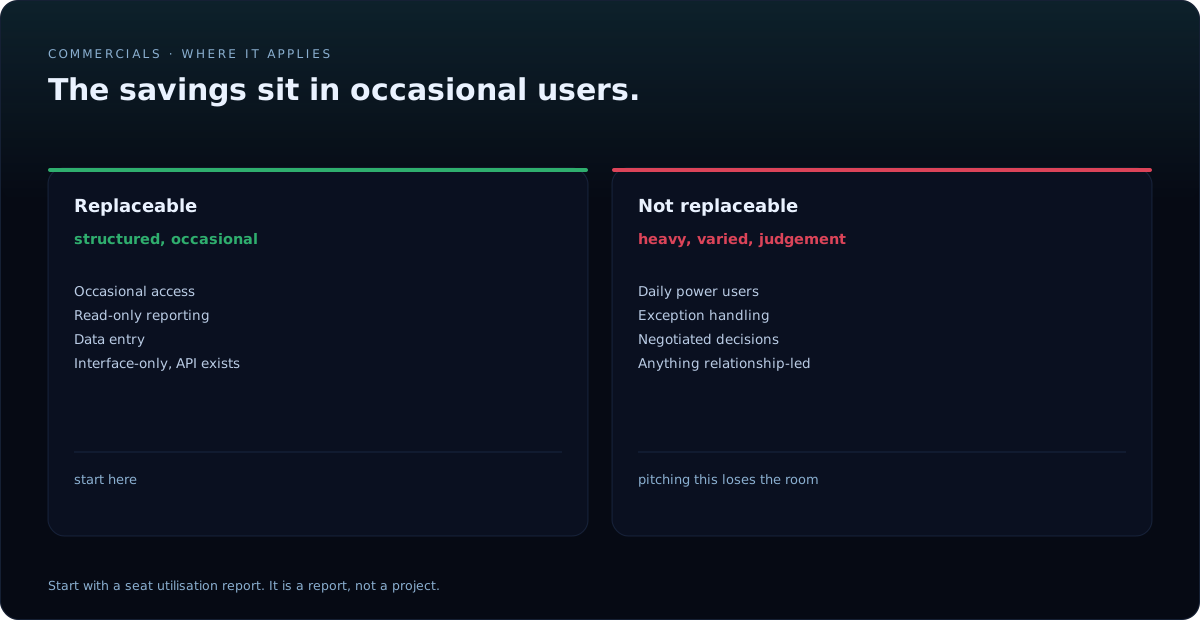
That last category is the one worth auditing first. If the underlying system has an API and a substantial number of your seats exist so people can click through a UI, the licence is paying for an interface you could replace with a workflow.
The savings are concentrated in occasional users, not heavy ones. Nobody is replacing the person who lives in the system all day, and pitching that is how the idea gets dismissed.
Where the arithmetic quietly reverses
Three things routinely make the replacement more expensive than the seats it removed.
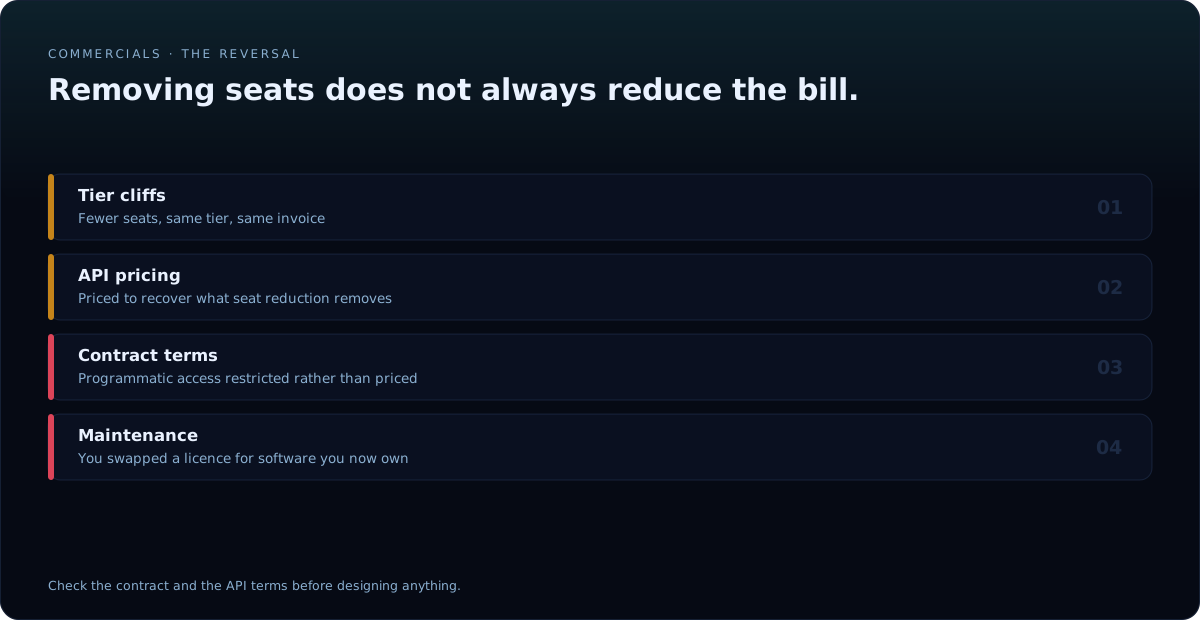
The first is per-seat pricing tiers with cliffs. Removing seats often does not reduce the bill proportionally, because you stay in the same tier or lose a volume discount. Check the actual contract rather than multiplying seats by list price — the saving is frequently smaller than the spreadsheet suggests.
The second is API pricing. Vendors are not neutral about this. Many price API access to recover what seat reduction removes, and some restrict programmatic access in terms rather than in price. That is a contract question to settle before designing anything, not after.
The third is the maintenance obligation you just took on. Replacing a seat with an agent replaces a licence with software you own — and everything that follows from owning software: upgrades, integration drift, someone on call, and the same three-year ownership question that governs any build.
The pattern that works better
The more durable framing is not replacement but interface substitution. Keep the system of record. Reduce the number of humans who need to open it.
The system stays authoritative, compliance and audit trails stay intact, and heavy users keep the tool they know. What changes is that occasional users interact through a summary, a notification, or a short conversational path rather than a licence. That is a smaller claim than "agents replace SaaS" and it survives contact with procurement, which the larger claim does not.
How to check whether it applies to you
| Check | What you are looking for |
|---|---|
| Seat utilisation | Licences used rarely or never in 90 days |
| Task profile | Structured, repetitive, low-judgement work |
| API availability | Programmatic access, and what it costs |
| Contract terms | Tier cliffs, minimums, automation restrictions |
| Ownership | Who maintains the replacement in three years |
Run the first row before anything else — it is a report, not a project, and it usually settles the question. If most seats are heavily used by people doing varied work, the thesis does not apply to you and no amount of architecture will make it apply. If a third of your licences have not been opened this quarter, you have found something real, and it was a procurement finding before it was an AI one.
Dealing with this in your own group?
We answer scoping questions before there's a contract in sight — including the ones about cost and data handling.